How to Stop a Dog From Pulling on the Leash
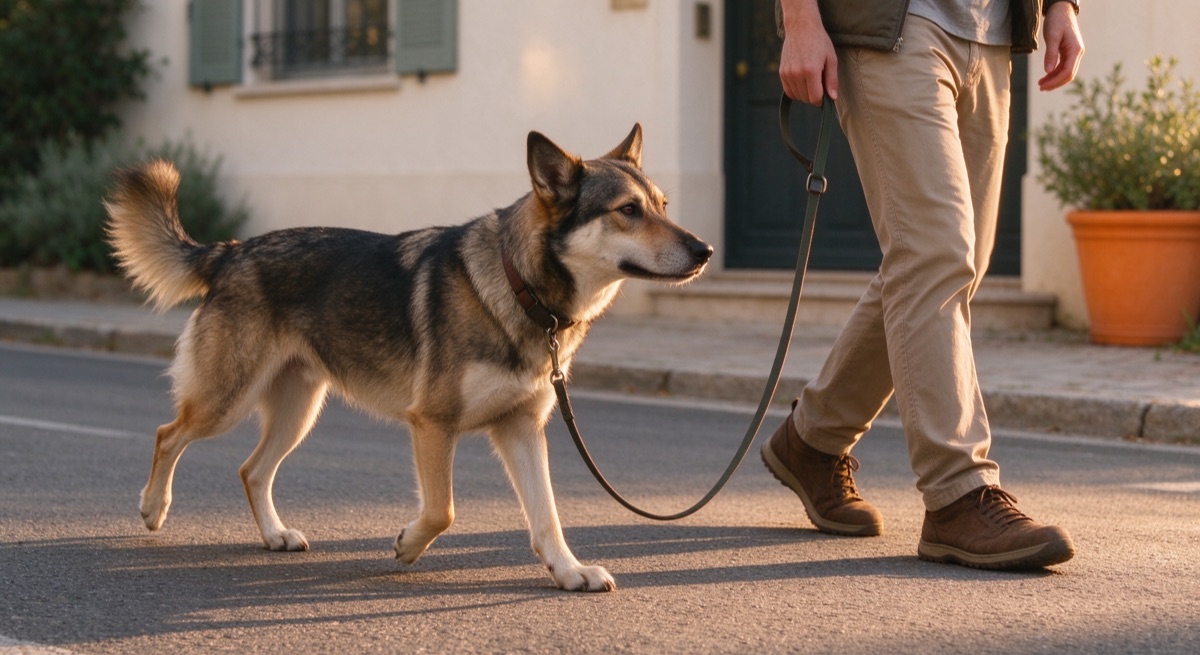
A dog that drags you down the street isn't being dominant or stubborn. It's simply doing what has always worked: pulling creates forward movement. The moment you understand that, the fix stops being a battle and becomes a habit change.
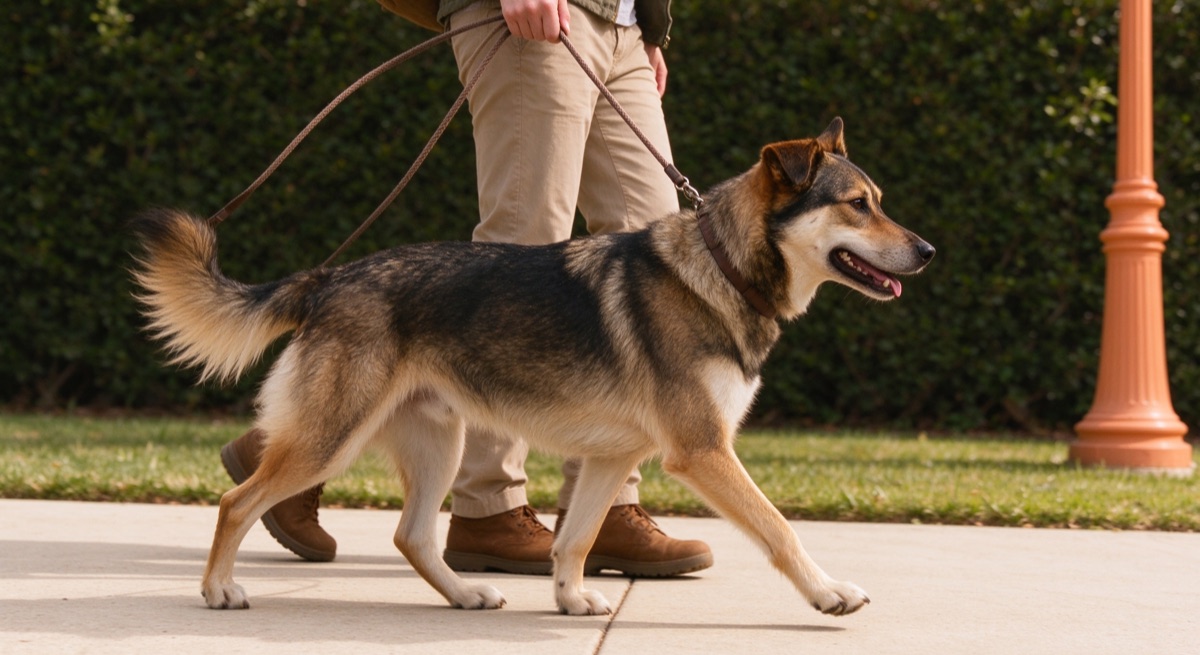
Don't reward the pull
The single most important rule is boring and effective: when the leash goes tight, your feet stop. No yanking, no scolding — just stillness. Forward movement is the reward, and you remove it the instant the line goes taut. The dog learns, over many repetitions, that loose leash means "we go" and tight leash means "we don't."
Tools help, training does the work
A front-clip harness can make a strong dog easier to manage, and that's worth having. But it's a brake, not a teacher. The habit changes through the stop-and-go work, not through the gear. Use the tool so you can stay calm while the lesson takes hold.
Practice somewhere boring first
Start in a quiet hallway or an empty yard, where there's nothing to pull toward. Success there builds a default that survives better when you move to the street. If you jump straight to the park, you're asking for the hardest version of the exercise.
The bottom line
Stop moving when the leash is tight, reward a loose leash by walking forward, and practice where it's easy. It takes weeks, not days — but a dog that walks beside you calmly is worth every repetition.
General guidance, not veterinary or behavior advice.
← All guides