Wet vs. Dry Dog Food: Which Is Actually Better?
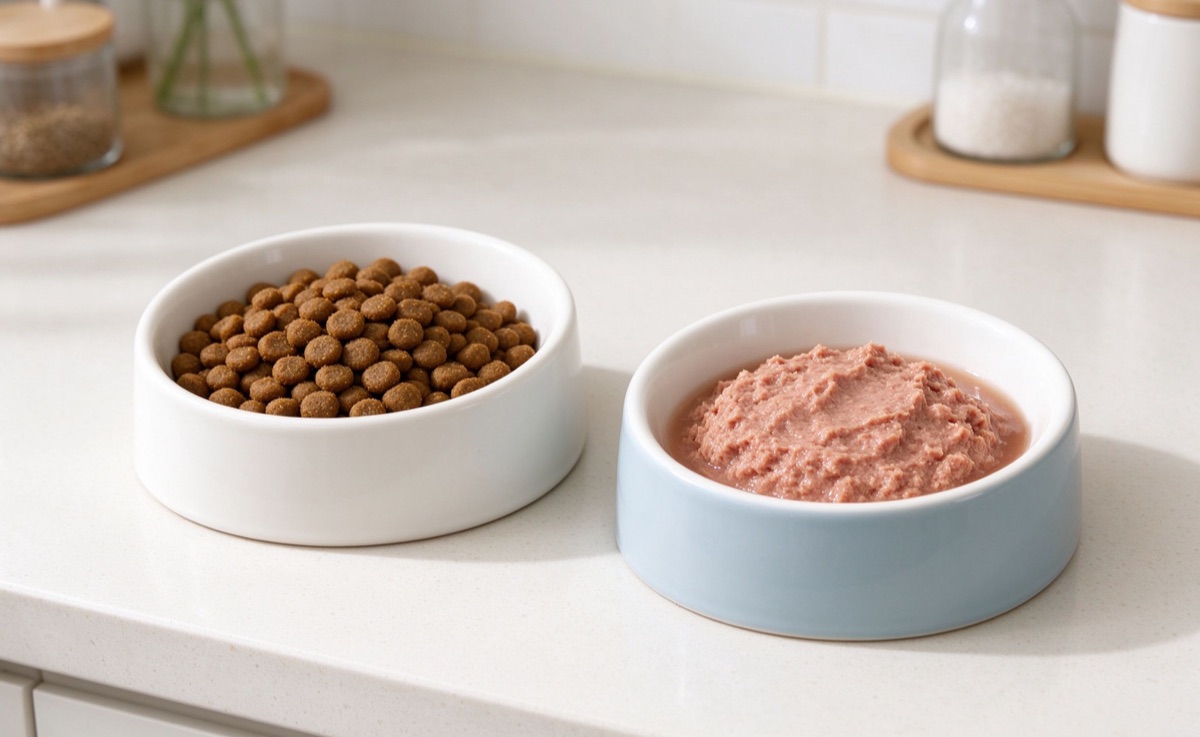
The wet-versus-dry debate is one of those questions where the confident answers are usually the wrong ones. Both forms can be complete and balanced. What separates them is moisture, cost, convenience, and what your specific dog actually needs.
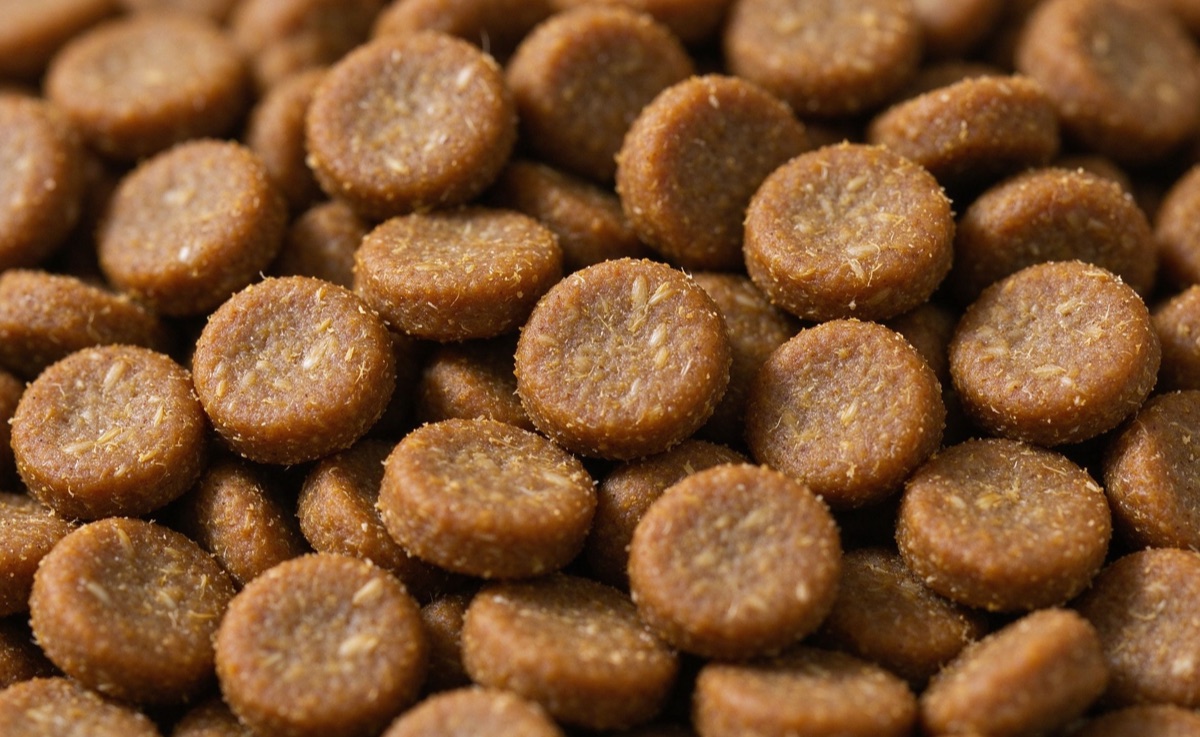
What dry food does well
Dry food is inexpensive, stores easily, and doesn't spoil in the bowl. Its texture means it can help scrape plaque, though the effect is mild and not a substitute for brushing. For most households, dry food is the practical backbone of the diet.
What wet food does well
Wet food is mostly water, and that's its biggest advantage. Dogs that drink little, or that have urinary concerns, often benefit from the extra moisture. Wet food also tends to be more palatable, which helps picky eaters and older dogs whose appetite or teeth are less forgiving.
The real tradeoff is rarely nutrition
Both can meet the same nutritional standard, so the decision usually comes down to practical matters: budget, storage, and whether your dog needs more moisture. Many owners settle on a mix — dry food as the base, wet food as a topper or a regular meal — which gives the benefits of both without the full cost of either.
The bottom line
There's no universal winner. Choose a food that is complete and balanced for your dog's life stage, and let moisture needs, appetite, and budget decide the form. Watch the dog in front of you — energy, coat, digestion, and body condition matter far more than the texture of the food.
General guidance, not veterinary or nutrition advice.
← All guides