Do Dogs Need Winter Jackets? Here's How to Tell
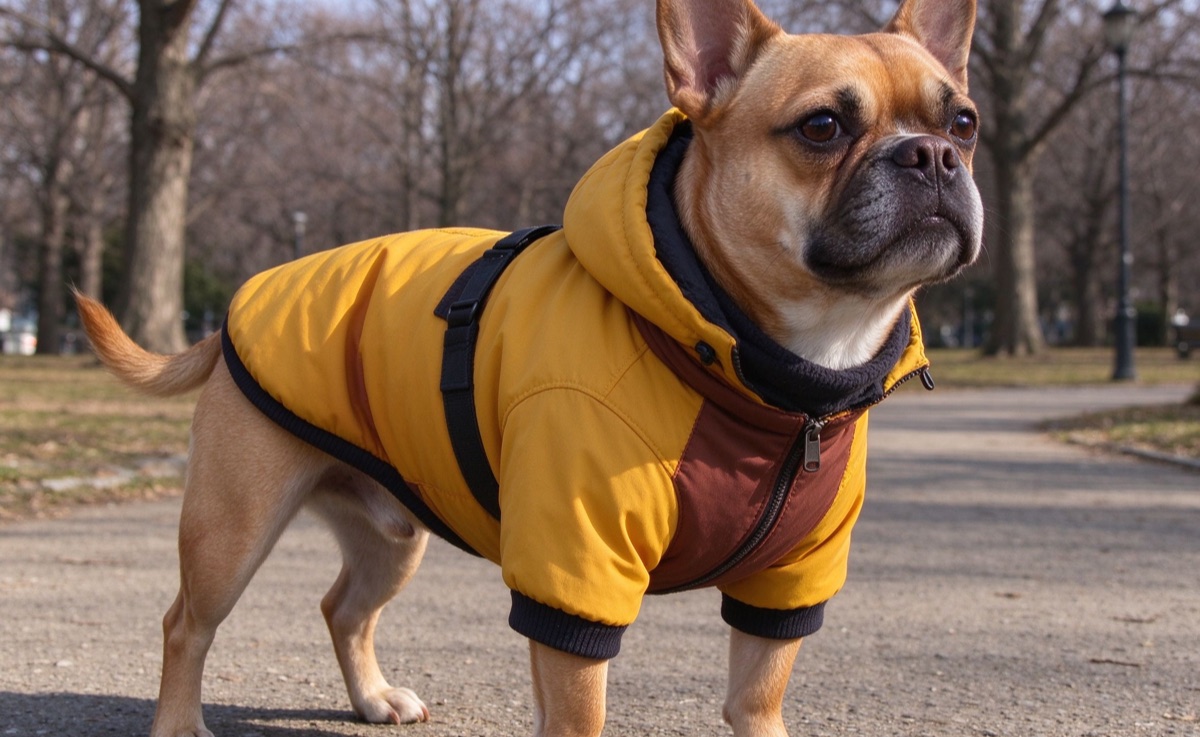
Dog coats sit in a strange place: half the dogs wearing them don't need them, and half the dogs that need them aren't wearing one. The answer isn't the temperature outside — it's the dog in front of you.
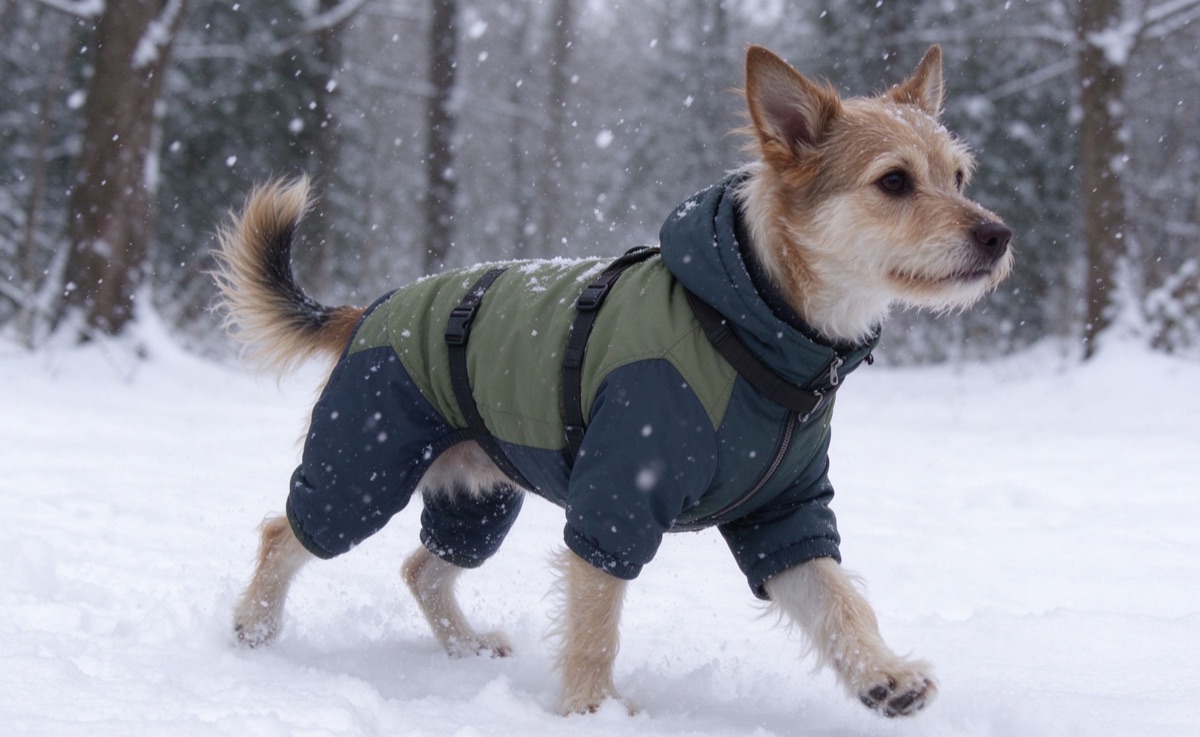
Who actually needs one
- Short or single-coated dogs lose heat quickly and are the clearest candidates.
- Small dogs have more surface area relative to body mass and chill faster.
- Older dogs and those with arthritis are often more comfortable with a little extra warmth.
- Cold, wet, or windy conditions matter more than the number on the thermometer — damp cold cuts through fur.
By contrast, a healthy double-coated breed in dry, mild cold usually manages fine on its own, and may overheat if bundled up.
What to look for
Fit matters more than fashion. The coat should cover the chest and the area behind the front legs, without restricting movement at the shoulders. It should fasten securely but come off easily, and it should be washable — winter is wet and muddy.
Look for a warm, breathable layer that keeps moisture off the dog without trapping sweat against the skin. Waterproof outer fabric helps in rain and snow; a thick, non-breathable shell all day can do the opposite of what you want.
Watch the dog, not the forecast
Shivering, reluctance to walk, or lifting paws off the ground are signals the dog is cold. Panting or flopping down in the snow mid-walk can mean the opposite. Adjust as you go.
The bottom line
Coat the dogs that need it — short coats, small dogs, older dogs — and choose fit and breathability over looks. When in doubt, watch the dog, not the calendar.
General guidance, not veterinary advice.
← All guides